
Many people have been diagnosed with sleep apnea. When a person suffers from sleep apnea the airway closes causing oxygen levels to fall, which also triggers other health issues. People with sleep apnea are usually introduced to a CPAP Machine. CPAP is Continuous Positive Airway Pressure. A CPAP machine increases air pressure in your throat so that your airway does not collapse when you breathe in.
CPAP machines are continuously being improved. They are smaller, quieter, and are “smarter” than they have ever been. CPAP machines are ordered by a doctor after a person has a sleep study and has been diagnosed with sleep apnea. Once the doctor knows what your pressure needs to be, he writes the order for the Durable Medical Equipment Provider.
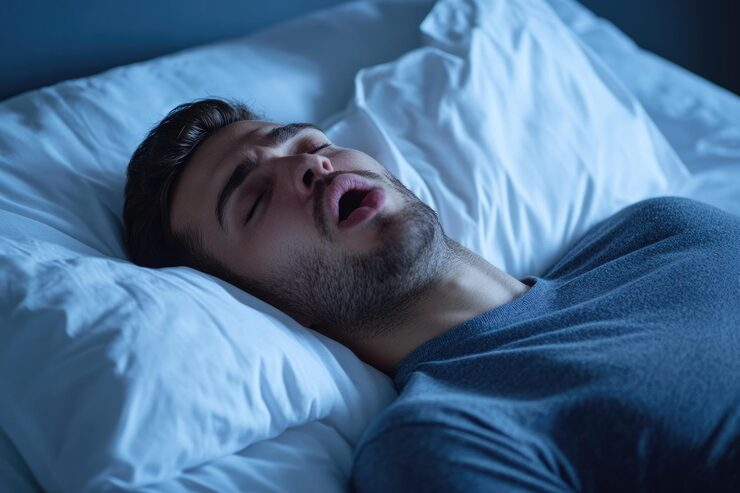
Sometimes it is your partner that notices that you stop breathing at night, or that you wake up gasping or choking. Loud snoring, unusual daytime sleepiness, sore throat, dry mouth, headaches, inability to stay sleeping throughout the night are also signs of sleep apnea.
Sleep apnea runs in families. It occurs in both men and women, but is more common in men. Children as well as adults may have sleep apnea, but is more common as we age. Obesity is a risk factor but very thin people may also have sleep apnea. Smoking, alcohol, and sedative types of medications also may contribute to sleep apnea, as well as inherited traits like narrow airways, large tonsils and adenoids, or malformed palates. Central Sleep Apnea is more common in men over 65, and patients with heart conditions like congestive heart failure, stroke, atrial fibrillation, and brain tumors.
Sleep Apnea causes two types of complications. The first is the drop in oxygen level that happens when you stop breathing, it adds strain to your heart and vascular system, that causes hypertension and can lead to heart attack and stroke. If you have heart disease, untreated sleep apnea can cause a fatal cardiac event.
The second type of complication comes from a chronic lack of sleep. The daytime sleepiness and the feeling of not being sufficiently rested leads to depression, irritability, anxiety, impotence, job injuries and sometime vehicle accidents. In children, sleep apnea is linked to behavioral problems, poor school performance and ADHD.
Sleep Apnea is treatable. The most effective treatment is the use of a CPAP. CPAP (Continuous Positive Airway Pressure) machine is used to maintain a positive pressure in the airway to keep the airway from closing. It is prescribed by the doctor and the pressure is determined by a sleep study. When you use your CPAP as directed, you will experience the good sleep that you have been missing.
